Calm your breath. Ease your visit.
If dental pain or anxiety has been keeping you from getting the care you need, Dental Wellness of Suffern in Suffern, New York can help you feel more at ease. Simple breathing techniques can lower tension, slow your heart rate, and make it easier to manage discomfort during treatment. It’s a small tool, but it can make a real difference.
What to expect when pain and anxiety are part of the visit
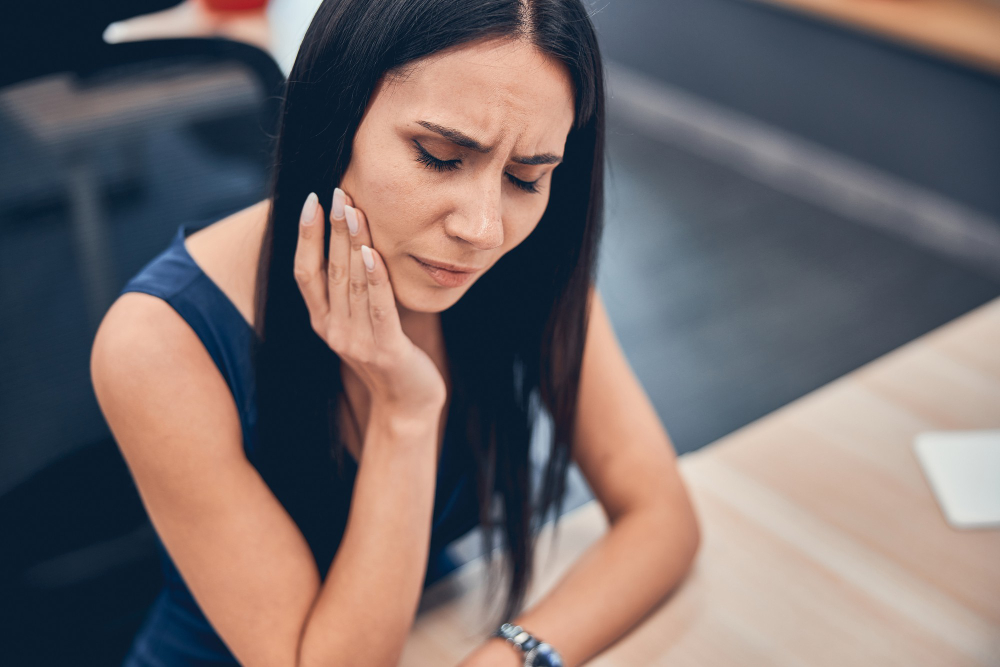
When you’re dealing with tooth pain, it’s common to feel tense before you even sit in the chair. That tension can make everything feel sharper. At Dental Wellness of Suffern, we talk through what’s happening, move at a pace that feels manageable, and help you use breathing techniques to stay grounded.
- Slow breathing: Inhale through the nose for 4 counts, exhale for 6 counts.
- Box breathing: Inhale, hold, exhale, and pause for equal counts to steady your nerves.
- Diaphragmatic breathing: Let your belly rise and fall so your body can relax more fully.
- Focused exhale: A longer exhale can help reduce the “fight or flight” feeling that often comes with dental anxiety.
These techniques don’t replace dental treatment, but they can make pain control feel more manageable while we take care of the problem. If you’re unsure what to do, our team can coach you through it step by step.
Why patients choose Dental Wellness of Suffern
- Gentle, steady communication before and during treatment
- Options that help reduce discomfort during procedures
- Support for anxious patients who want a calmer experience
- A local dental office serving families in Suffern, New York
If pain has been building up, don’t wait until it gets worse. You can request an appointment and talk with a team that understands how anxiety and pain can overlap.
FAQs
Can breathing really help with dental anxiety?
Yes. Breathing techniques can help slow your heart rate, reduce muscle tension, and keep your mind from racing while you’re in the chair.
What breathing technique works best for pain control?
Many patients like slow exhalation breathing, where the exhale is longer than the inhale. It’s simple and often easy to remember during treatment.
What if I feel panicked during my appointment?
Tell us right away. We can pause, explain what’s happening, and help you reset with a breathing pattern that feels comfortable.
Should I practice breathing before my visit?
That can help. Practicing beforehand makes the technique feel more natural, so it’s easier to use when you’re in the office.